
Table of Contents
Introduction
For more than 15 years, mobile apps have dominated digital life. Every service — banking, shopping, messaging, fitness, entertainment — required a separate app. But this era is now ending. A massive technological shift is underway, and by 2026, AI Micro-Agents will begin replacing mobile apps across the US, UK, Canada, and Europe.
These micro-agents are small, specialized AI systems that operate across devices, platforms, and services without needing an app to be downloaded.
In this article, we explore how micro-agents work, why big tech companies are investing billions into them, and how they will fundamentally change the Internet.
🧠 What Are AI Micro-Agents?
AI Micro-Agents are lightweight, task-focused AI systems that live in the background of your device or cloud profile.
They do things like:
- Book flights
- Order groceries
- Manage emails
- Build schedules
- Track health
- Automate purchases
- Answer questions
- Execute tasks across any platform
Unlike traditional apps, micro-agents don’t require installation, updates, or multiple accounts.
They work everywhere — within browsers, devices, websites, and even smart home systems.
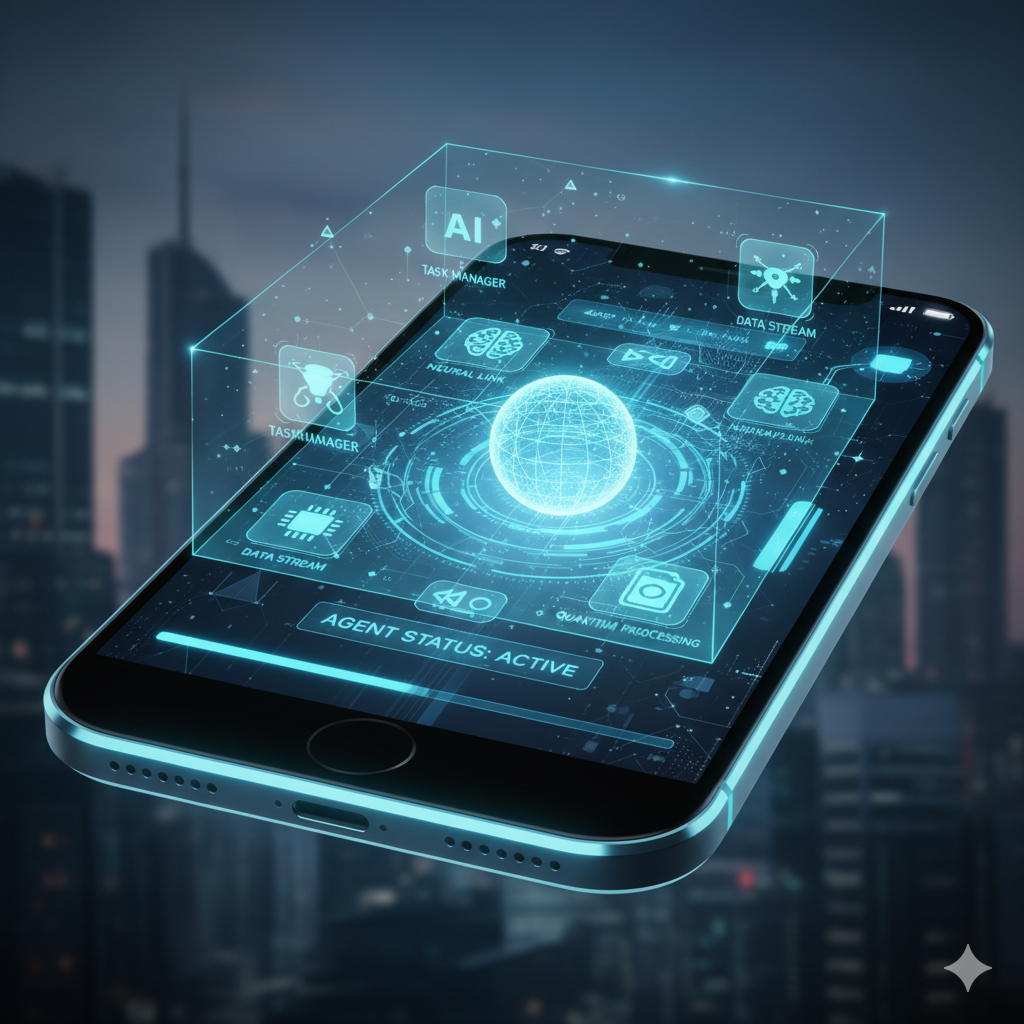
📱 Why Mobile Apps Are Becoming Obsolete
Here is why micro-agents are replacing apps:
1. Users Hate App Overload
The average American has 80+ apps… but uses fewer than 9 per day.
Micro-agents eliminate app clutter.
2. Apps Are Expensive for Companies
Maintaining an iOS + Android app is extremely costly.
Businesses are shifting to micro-agents because they are cheaper and easier to maintain.
3. AI Assistants Are Becoming Super-Powered
GPT-style assistants can run tasks across platforms — no separate app needed.
4. Universal Interfaces Are Trending
Browsers, OS, and even cars are moving toward agent-first interaction, not app-first.
🔥 How Micro-Agents Will Replace Your Apps (2025–2026)
1. AI Will Become Your Universal “Action Layer”
Instead of opening:
- Uber
- Google Maps
- Weather app
- Flight booking app
You’ll simply say:
“Book me a ride to the airport and track delays.”
Your micro-agent figures everything out.
No app.
No forms.
No switching screens.

2. Agents Will Access APIs Instead of Apps
By 2026, most companies will offer agent-friendly APIs, not app updates.
Your micro-agent will:
- Retrieve prices
- Compare services
- Make reservations
- Cancel bookings
- Track packages
— all through backend access, not a mobile app.
3. AI Micro-Agents Will Learn Your Behavior Automatically
They will:
- Learn your morning routine
- Predict what you need
- Remind you of tasks
- Auto-respond to emails
- Prepare schedules
- Suggest purchases
This is impossible with traditional apps.
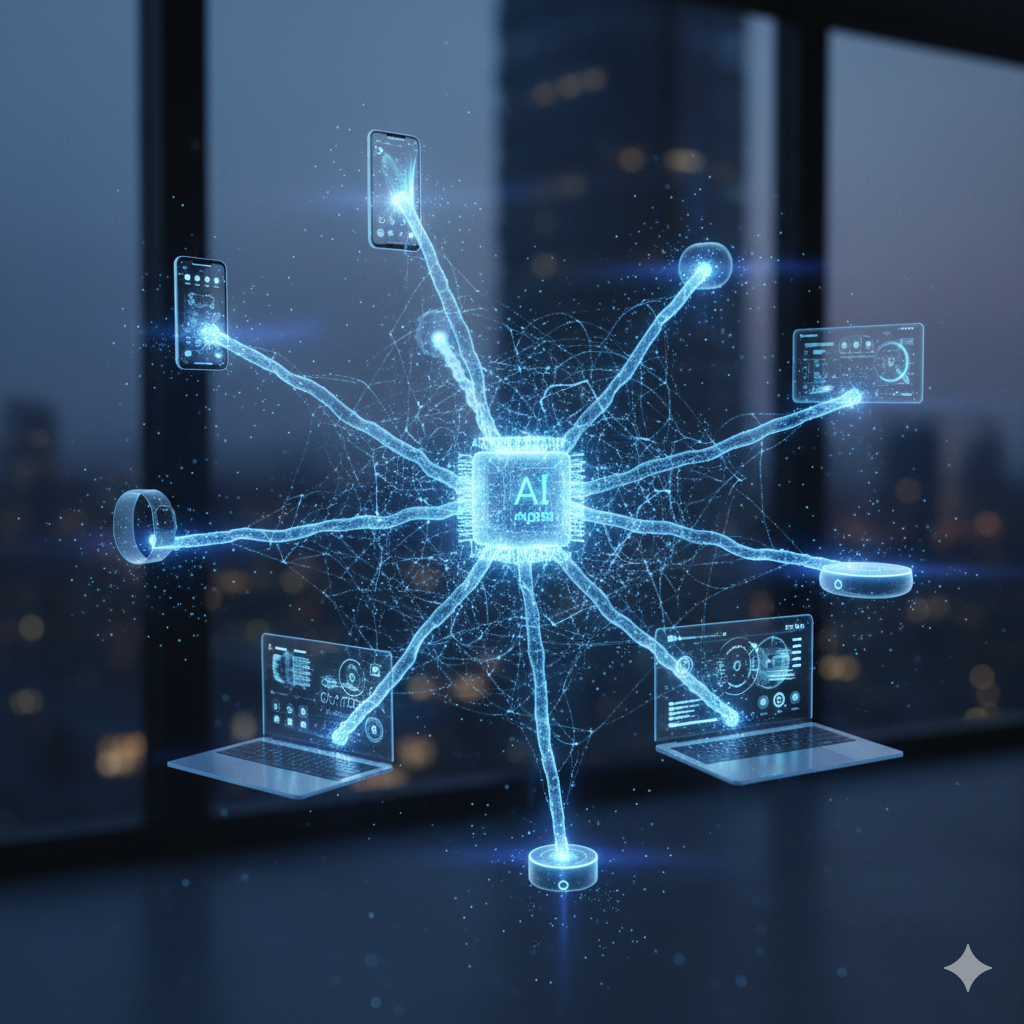
4. Desktop + Mobile + Smart Home Will Merge
Your micro-agent will live in:
- Phone
- Laptop
- Smart speaker
- Car
- TV
- Smartwatch
And share the same memory.
This is a multi-device brain, something apps cannot provide.
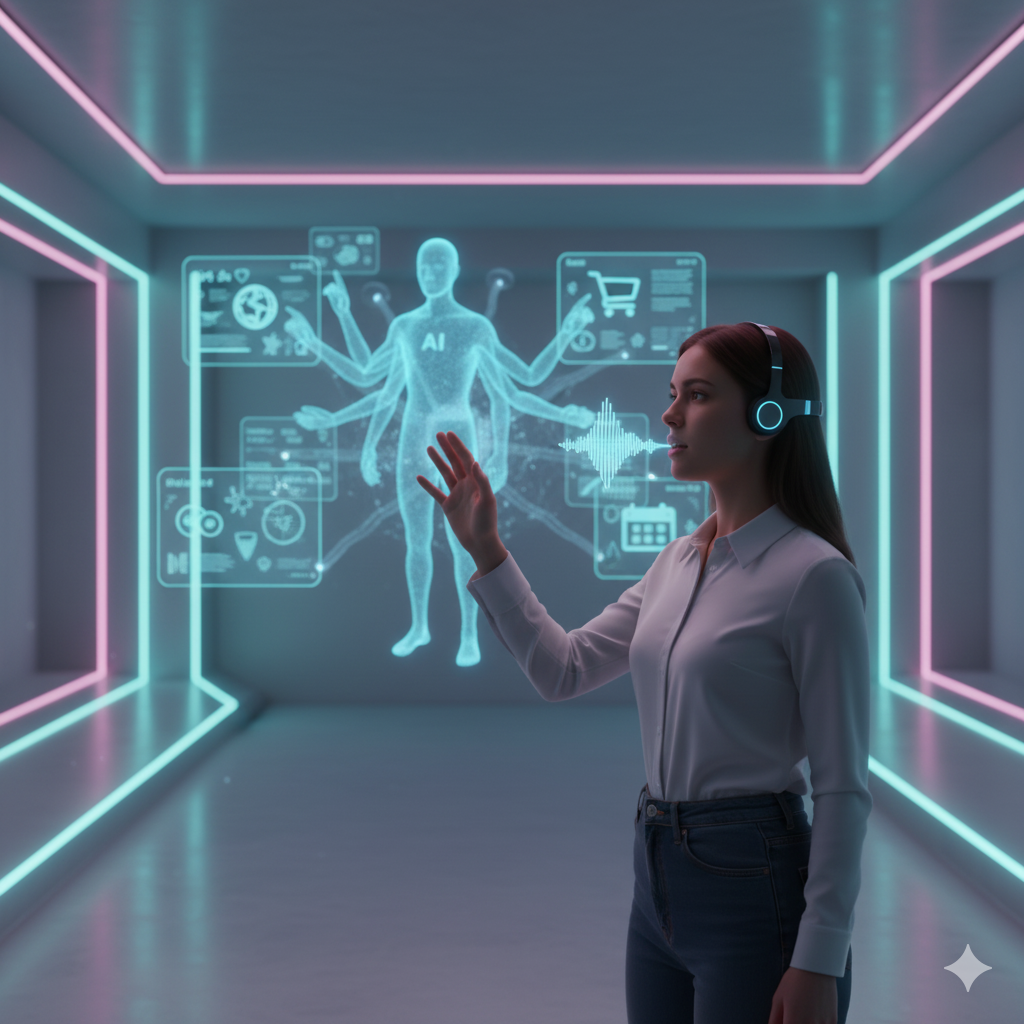
5. Zero-Click Interfaces Will Become Normal
Future:
- No app icons
- No home screens
- No passwords
- No settings panels
You simply talk to your device.
Micro-agents handle everything else.
🧩 Real Companies Already Moving Toward Micro-Agents
Switching Android into an “agent-first” OS.
Apple
Working on Apple Intelligence (AI actions without opening apps).
Microsoft
Copilot will soon handle OS-level tasks.
Amazon
Alexa 2.0 already behaves like a micro-agent.
Meta
AI characters and assistants built into every platform.
The world is transitioning fast.
According to McKinsey’s AI 2025 report (https://www.mckinsey.com/capabilities/quantumblack), global AI adoption is accelerating across mobile ecosystems, pushing companies toward agent-driven interactions.
A detailed analysis by Gartner (https://www.gartner.com/en/articles) also highlights that autonomous agents will replace 60% of traditional app workflows by 2026.
💼 How Micro-Agents Will Change Business Models
✔ Subscription apps will die
✔ Micro-payments and API fees will rise
✔ Smart agents will become your new “customer support”
✔ Digital advertising will move from apps → agents
✔ E-commerce will shift to AI-driven buying decisions
Businesses that don’t adapt will disappear.
⚠️ Will Apps Completely Die?
Not completely — but 90% of apps will lose relevance.
What will survive?
- Games
- Social platforms
- Banking (regulated)
- High-security applications
- Industry-specific tools
Everything else becomes agent-driven.
🔮 The World in 2026: Daily Life With Micro-Agents
Morning
“Summarize my emails and prepare a to-do list.”
Work
“Analyze these files and schedule my meetings.”
Shopping
“Find me the cheapest protein powder and order it.”
Travel
“Book a flight under $400 next weekend.”
Health
“Log my meals and check my calories.”
Home
“Turn off all lights and lock every door.”
All done by one micro-agent.
🧠 Why This Shift Is Good for Users
✔ Fewer apps
✔ No ads inside apps
✔ Faster tasks
✔ Better security
✔ Multi-device continuity
✔ Personalized automation
The app era was great — but the agent era will be extraordinary.
You can also explore how AI is transforming daily tech workflows in our detailed article:
https://techarticals.online/ai-in-business-2025-complete-guide/
For deeper insights into how future technologies will reshape digital experiences, check our post:
https://techarticals.online/future-of-smart-homes-2025/
📌 Conclusion
By 2026, AI micro-agents will become the default way humans interact with technology.
Mobile apps will slowly fade into the background, replaced by intelligent assistants that understand context, automate tasks, and deliver results instantly.
This is the next evolution of the Internet — a shift from App Economy → Agent Economy.
FAQ #1 — What are AI micro-agents?
AI micro-agents are small, intelligent assistants that automate tasks across devices without needing mobile apps.
FAQ #2 — Will micro-agents replace mobile apps completely?
Not fully, but 80–90% of app categories will shift to agent-based automation by 2026.
FAQ #3 — Are micro-agents available today?
Early versions exist in Google Assistant, Siri, Alexa, and ChatGPT agents.
FAQ #4 — Which countries will adopt micro-agents fastest?
The US, Canada, UK, and Western Europe are expected to lead the transition.
FAQ #5 — Are AI micro-agents safe?
Yes, they are cloud controlled and follow strict security models, though privacy policies vary by platform.